The third quarter of 2026 saw the highest number of ransomware attacks to date, with 2,627 total attacks, according to a new report from Comparitech.


The third quarter of 2026 saw the highest number of ransomware attacks to date, with 2,627 total attacks, according to a new report from Comparitech.

Insights from Attempted Intelligence, Episode 2, hosted by Matt Duren, SVP of AI and data, KnowBe4 and Harlan Parrott, VP of AI innovation, KnowBe4.
AI data centers are one of the most debated topics in the world right now. Some people worry about the energy and water it takes to run them. Others see the foundation for the next wave of AI advances. Both camps have a point.

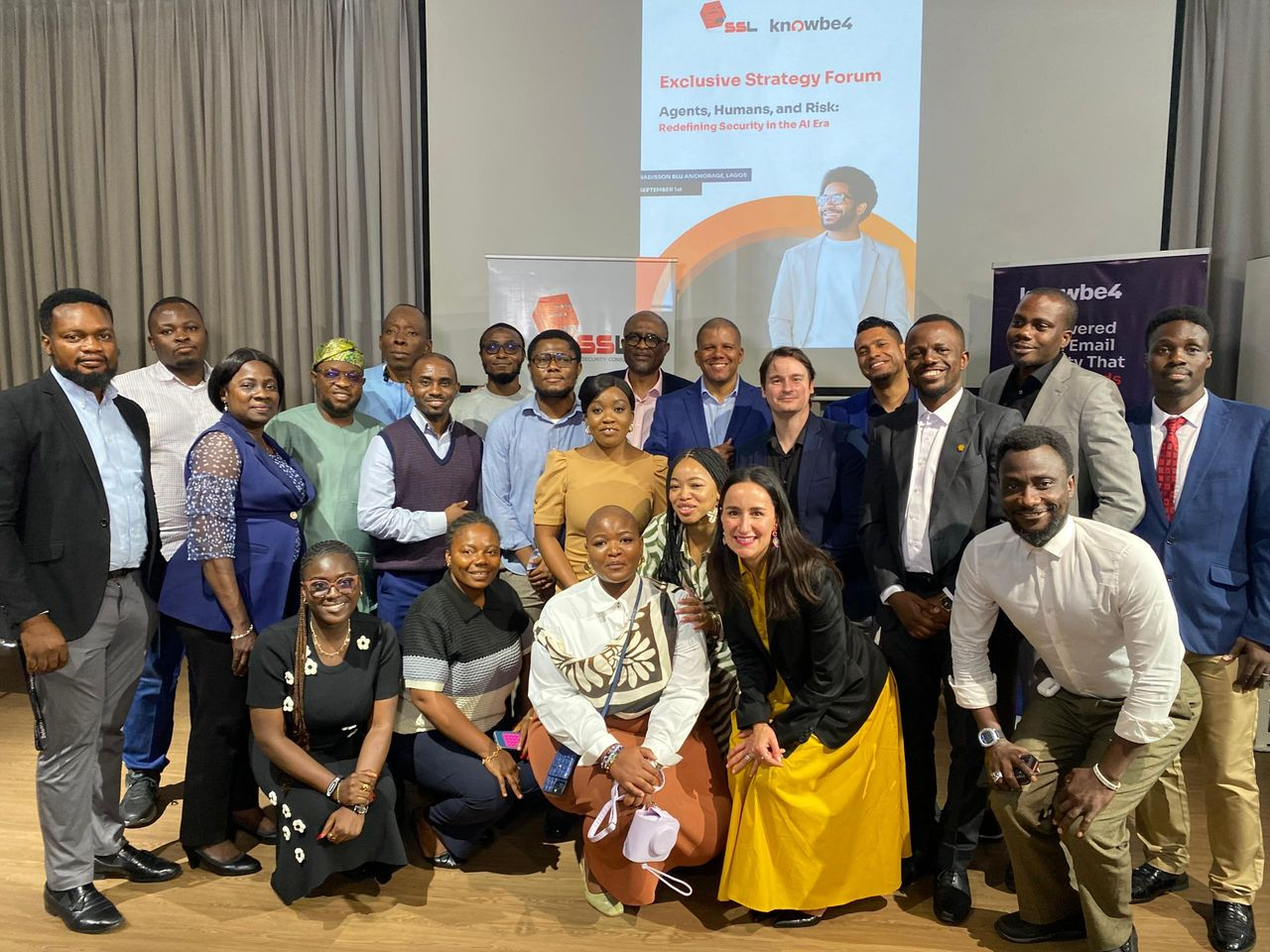
As organizations across Africa adopt AI, automated tools and autonomous systems, the digital threat landscape is changing rapidly. Traditional security awareness training historically focused on bridging knowledge gaps, but today’s most urgent challenges are fundamentally behavioral, and they involve more than just human employees.


South Africans who fall victim to cybercrime now have more support available. MiDO Academy, The Cyber Helpline (UK) and Amazon Web Services (AWS) launched the pilot of The Cyber Helpline in South Africa, a free, confidential service providing practical guidance and compassionate support to individuals affected by online fraud, investment and employment scams, hacked accounts, phishing and smishing, social media fake profiles, sextortion, online harassment, identity theft, malware and ransomware incidents.

I want to start with a confession that most security leaders will recognize but few will say out loud: almost everyone reuses passwords. Not the reckless or the untrained. Everyone including, if we are honest, a fair number of people in our own profession.


For years, we described phishing as an email problem: an attacker writes a convincing message, sends it to thousands of people and waits for someone to click. That model is now outdated.


A phishing campaign is targeting YouTubers with phony sponsorship offers, according to researchers at ESET. The emails are personalized to each target, making specific references to their channels, and are designed to trick users into granting access to their Google accounts.