There’s an important metric that can tell you exactly how vulnerable your high-risk employees and departments are to the next generation of social engineering.

There’s an important metric that can tell you exactly how vulnerable your high-risk employees and departments are to the next generation of social engineering.
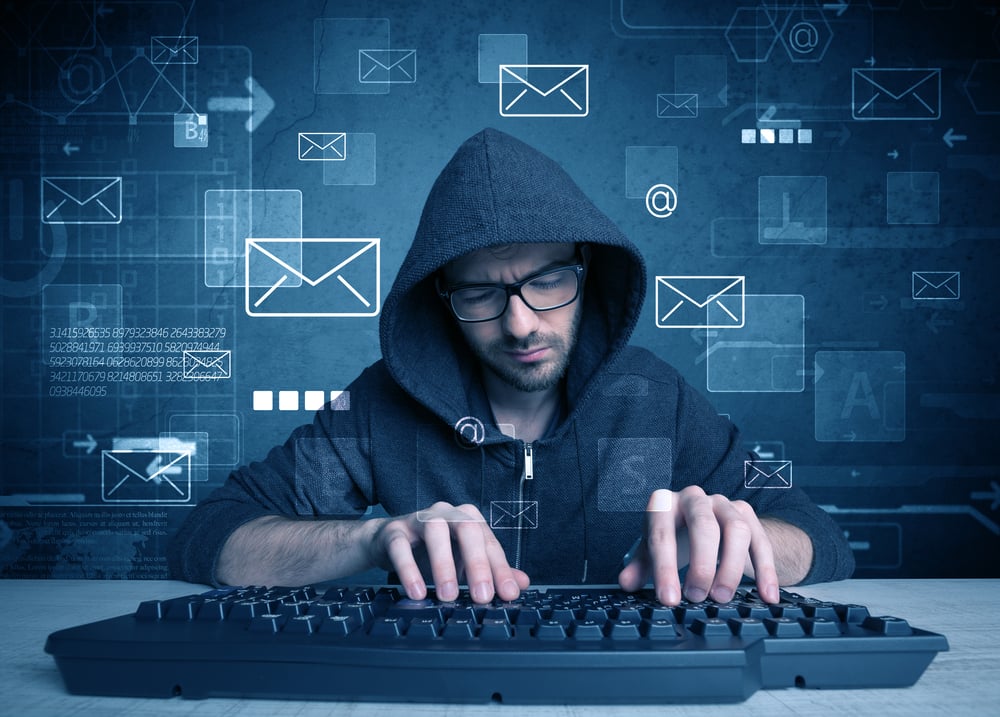
For years, security teams have poured resources into locking down the inbox, and for good reason. Email has always been the front door for phishing and social engineering. Unfortunately, another door has been left wide open: Microsoft Teams.

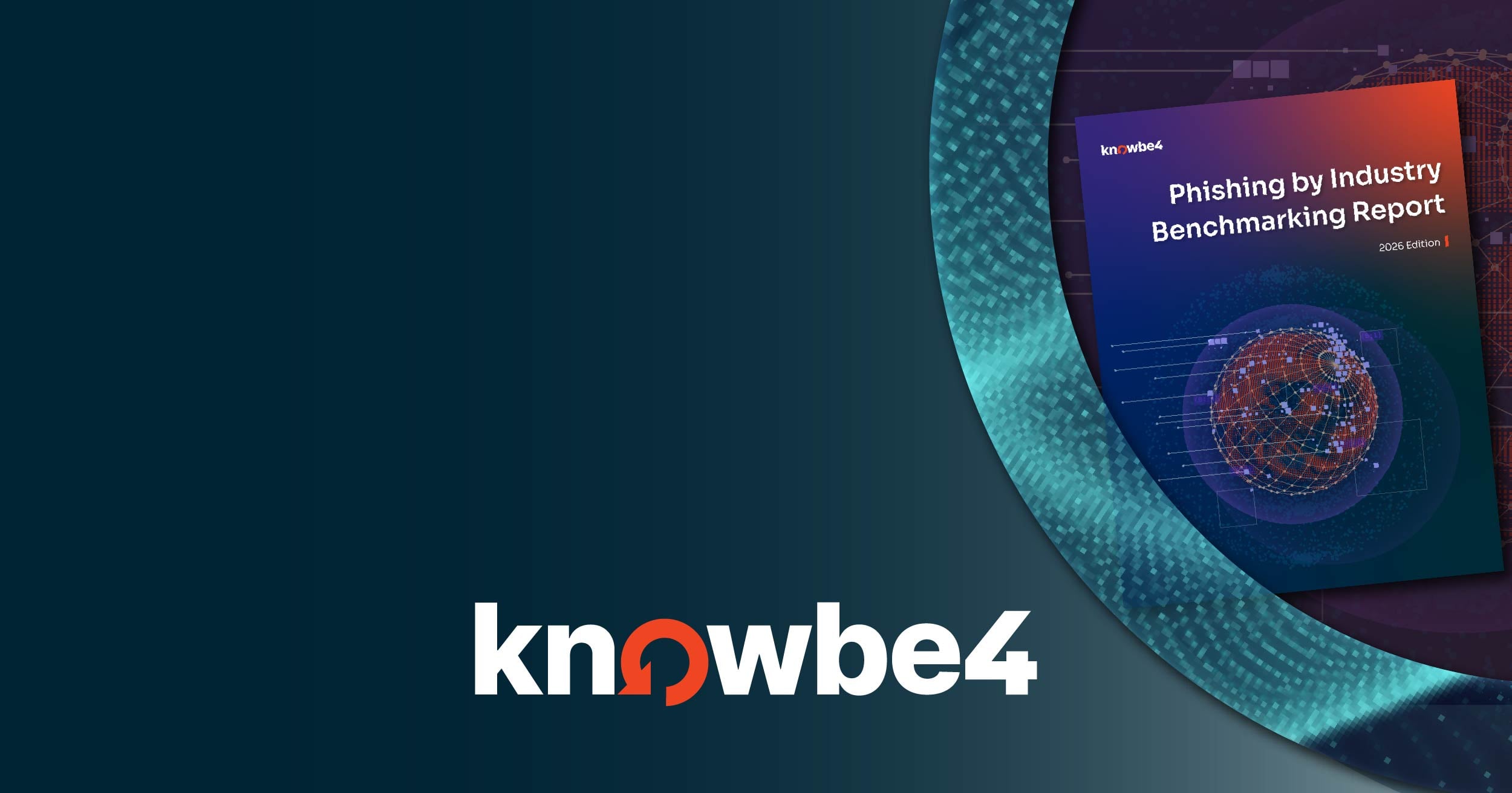
Every year, KnowBe4 analyzes millions of simulated phishing tests to measure one thing: how likely is your workforce to fall for a phishing attack? The results, published in the 2026 Phishing by Industry Benchmarking Report, paint a clear picture of where human risk concentrates — and what organizations can do about it.

When we think about email security, our minds almost always jump to the inbound threats: the sophisticated phishing lures, the AI-generated business email compromise (BEC) attacks, and the malicious attachments knocking at the perimeter.

The INC ransomware-as-a-service (RaaS) operation has grown into one of the premier ransomware offerings, claiming hundreds of victims in 2026 alone, according to researchers at Acronis. The attackers target a broad range of industries, but have recently prioritized entities in the legal sector.

Cloud email has become the center of modern business. Regardless of your organization’s industry or size, email connects employees, customers, vendors, executives, financial systems and critical business processes.

KnowBe4 ThreatLabs tracked phishing campaign activity from the first week of April through June 22, 2026 — covering the pre-tournament build-up, tournament kickoff and the first twelve days of live match play. Our latest intelligence adds crucial mid-tournament telemetry (June 15-22), a newly identified reply-back campaign track and additional infrastructure intelligence.